It is now well known that mindful meditation has a lot of benefits. However, just like a dancer warms up and stretches daily for a perfect performance, meditation needs regular practice. This might be the hardest part of achieving some results and benefits from it. Have you ever struggled to keep meditating daily?
For the past couple of years I have been exploring mindfulness and meditation through a variety of encounters: in medical school extracurricular lunchtime talks, at the OMSA Wellness Retreats, through participating in a 7 week mindfulness curriculum research project and some self-learning. I came across a wide range of YouTube videos, books, apps and iTunes dedicated to mindfulness. A lot of them helped me establish my own habits of meditation. Here I just wanted to share my favorite free resources that can be used on different occasions. You may or may not like all of them but I am hoping this will help you find one or two things you can use on a regular basis.
- When you got three minutes – Three Minute Breathing Space by Danny Pennman and Mark Williams.
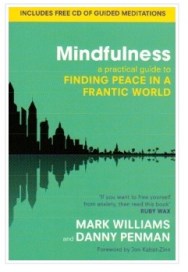 When I just started to meditate it was not easy. I know some people find it enlightening from the first try, but I was not one of those. I did not have enough patience and self-discipline to commit to a regular meditation practice. My mind was wondering even more if the meditation was longer than five minutes and it was discouraging. Sometimes I felt I am failing at meditation. But of course, you cannot fail in mindfulness; there is no deadline, and no grade. It is a matter of accepting yourself in order to start and maintain meditation practice. I also used lack of time as a self- excuse to prevent me from daily meditation until I came across one YouTube recording that for some reason I particularly liked. It was a track for the book ‘Mindfulness: Finding Peace in a Frantic World’ by Danny Pennman and Mark Williams. This brief meditation is just three minutes long and I started using it when I get home from school while waiting for my meal to heat or in the evening in between reviewing the lectures. It may be the voice, or the way the narrator guides this meditation, but it worked like a switch for me turning me into a more alert, yet calmer state of mind. And I used it for a few months to just get accustomed to daily meditation. So if you are like me and don’t know how to begin, maybe you will like Three Minute Breathing Space just like I did to get you started. Here is a link to the free meditations on the author’s web site (you will need to scroll down for the Three Minute Breathing Space): http://franticworld.com/free-meditations-from-mindfulness/. You can just download that track and save on your device.
- You Got More Than 3 Minutes – Body Scan Meditations with Calm.
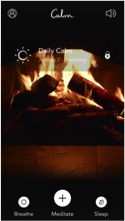 My next level was to start tracking my progress and try new things. I found a lot of free or semi-free Apps that offered guided meditations. Calm is one of those semi-free Apps that has various meditations programs (7 Days of Calm, 7 Days of Calming Anxiety etc. which are locked in a free version) but really all you need is to go to Guided Meditations and see which ones are available. I really enjoy Body Scan and Forgiveness narrated by Tamara Levitt. She has a really nice manner of guiding the meditation, with a very soft and relaxed voice, with no rush and no pressure. The time of the Body Scan meditation can be set to 3, 5, 10, 15 min etc. You can pick the scenery with or without a sound e.g. a fireplace, rain on leaves, beach sunset, or a Mountain Lake that will take you places that make you feel calm, happy or content. The App will track how many days and minutes have you been meditating and can remind you to meditate daily at a certain time. Another nice feature of this App is Breathe that helps guiding you through timed inhale-hold-exhale cycle when you need it the most (and you can customize it too). A recent new addition is Sleep Stories which is a variety of narrated stories to help you settle down for the night. Unfortunately I am one of those people who fall asleep the minute my head hits the pillow so as much as I tried I could never finish a single story and cannot comment on the utility of those. Overall this is one of my favorite Apps so far and I highly recommend the Calm.
- If you had a Stressful Day – Self Compassion Break With Dr. Shaila Vaidya
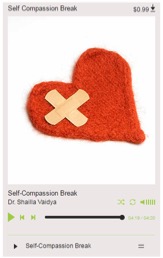 I met Dr. Vaidya at the last year’s OMSA Wellness Retreat where she held the Science of Yoga Workshop. During that session she also guided us through a couple of meditations with her kind, pleasant tone of voice. One of the meditations I really liked was Self-Compassion. As medical students we strive for the excellence and perfection and we often blame ourselves for things we could have done better. Sometimes we get into environment that makes us feel inadequate, inefficient, or simply tired and we often don’t realize that it is normal to feel that way in these circumstances. At the same time we are trained to be empathetic and compassionate with our patients, but those skills begin from the inside within us. So how about some compassion to ourselves first?
Here is a link to Dr. Vaidya’s portal http://www.drvaidya.ca/meditations where you can find a ton of interesting blog posts and resources as well as free meditations (if you bookmark it and listen it is free, you only need to pay to download). Also, take a look at the Patient’s Resources – Reading List, you may find some good suggestions!
- You Got Time to Explore – Smiling Mind App
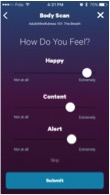 This is one of my most recent discoveries. The Smiling Mind is a free Australian App with a ton of meditations for various ages and purposes. Like Calm, it will track your progress, but it will also ask you about how happy, content and alert you are before and after each meditation. I think is it a great way to become more aware of your own state of mind, feelings and inner peace. Recordings are arranged into themed programs with lessons, activities and meditations. I find it well organized into small tracks that won’t take a lot of time out of your busy schedule. One great activity is “Finding Your Inner Master” which guides you through imaging your role model giving you advice about something you need. I find this is a really good strategy to deal with difficult situations that helps cultivate and maintain the feeling of confidence and excitement.
- You Have Got time to Read– Mindfulness in Medical School Residency and Beyond
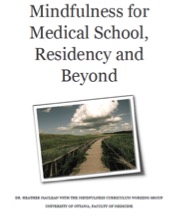 Finally, if you feel like reading about Mindfulness here is one good read. Written by Dr. Heather Maclean with the Mindfulness Curriculum Working Group, “Mindfulness for Medical School, Residency and Beyond” is just a perfect collection of information you need to know if you don’t have a lot of time to read outside of medical textbooks. It is available for free on iBooks (https://itun.es/ca/cuUF2.l. Dr. Maclean is a neurologist, our lecturer and a CBL tutor at the University of Ottawa. She is also the one who lead periodic Mindfulness lunchtime talks in preclerkship which I really enjoyed and who inspired me to explore meditation. Here is what she writes about this book in the first section:
“To medical students, residents and medical practitioners who are left-brained and scientific by nature, this type of curriculum can be a little out of their comfort zone. They might feel it is too soft, too unstructured, too “touchy-feely”, too unproven. For them while I will point out that there is clear scientific evidence of the benefits of mindfulness, and we will present some data in Chapter 4, this course is less about science and more about spirit. Less left brain, more right brain. It is supposed to expose you to something out of your comfort zone, which you might not have been drawn to otherwise.”
I hope you find some of these resources useful for your mindfulness journey. Of course just like everything else this is a matter of personal preference: the time of meditation, duration, theme and the voice you chose to guide you. No matter which one you pick and use, I wish you good luck and happy meditating!




 OMSA Wellness Blog